
Sizing a solar pumping system
Daily water demand, flow, total head and the available solar window decide the equipment. Bring those inputs and the configuration follows from them.
Explore the product linesResources
The information that turns an inquiry into a matched system, and the technical material we share once the pump and inverter are selected.
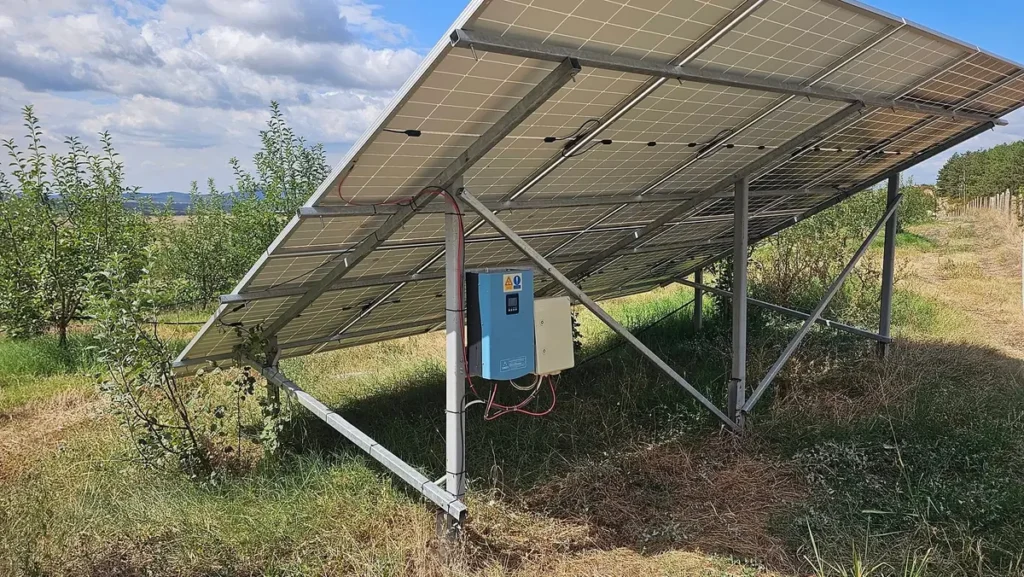
From solar energy to useful water
01 / Prepare your project brief
A selection is only as good as the site information behind it. These are the points our team works from, and the ones worth sending with your first inquiry.
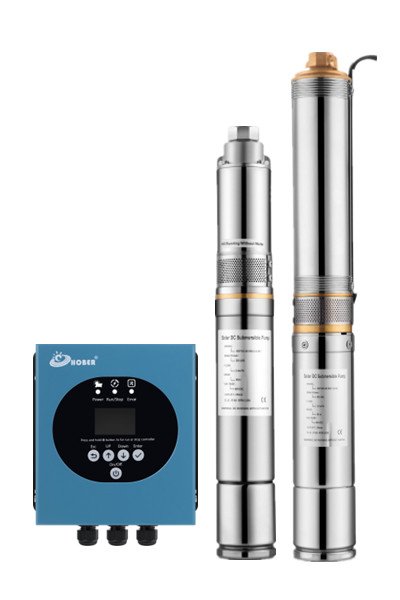
The pump and its controller, matched to the site brief.
02 / Selection notes
These are the inputs we work through with partners before any equipment is confirmed.
Daily water demand, flow, total head and the available solar window decide the equipment. Bring those inputs and the configuration follows from them.
Explore the product linesMotor voltage, phase and rated current have to be checked, along with the application the pump serves.
See how the conversion worksHybrid systems can use grid or generator support, and water storage can help cover demand outside pumping hours.
See the support steps03 / Documentation
What we share once the pump and inverter are matched to your site.
Datasheets, wiring information and parameter settings are shared for the selected model once the pump and inverter are matched. The material belongs to the configuration chosen for your site, so it is prepared for that configuration rather than published in bulk.
Include the model you intend to order, the application the pump serves and the site details in the request. If a specification or a document list is part of your process, send it as well and we answer point by point.
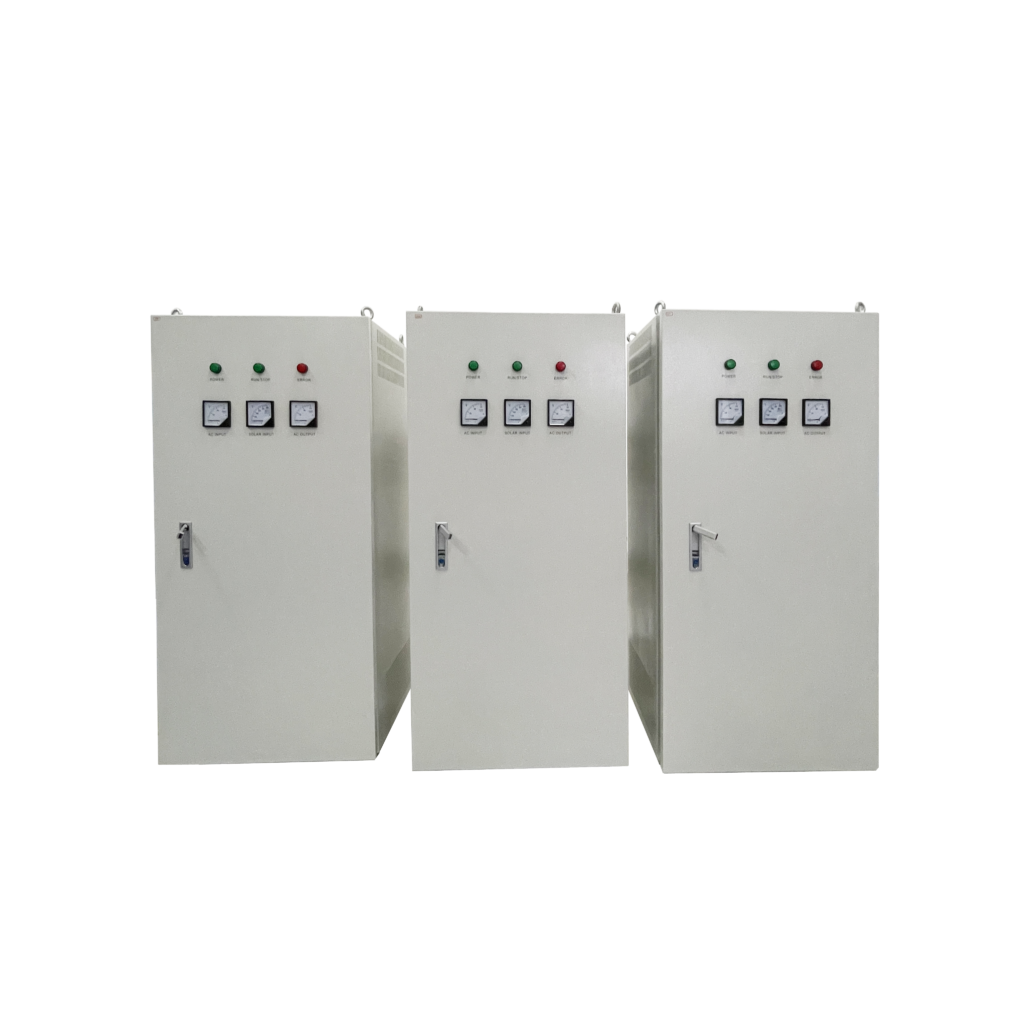
Wiring and parameters are confirmed for the matched model.
04 / Before you send the brief
The water source, required flow, total dynamic head, pipe details and the site location. For a borehole, add its diameter and water levels; if a pump is already installed, add its nameplate details.
The motor nameplate details — voltage, phase and rated current — together with the pump type and the application it serves. That is what a compatibility check is based on.
Share the specification you are working to. We review the product capabilities and the documents we can make available for that case, and tell you where something is not covered.
Depending on the model and the site, a suitable hybrid system can use grid or generator support, or water storage can cover demand outside solar pumping hours.
Next step
Share the site details and the application. Our sales team comes back with the pump, inverter and PV configuration that fit, and the technical material that belongs to them.