
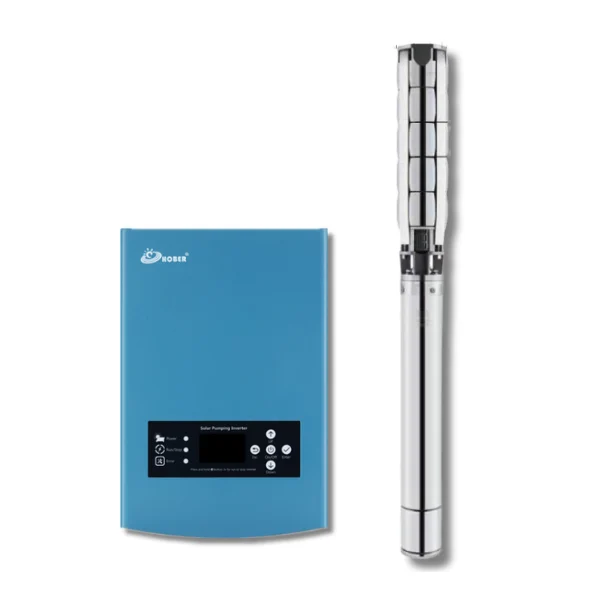
Deep-Well Pumps
Submersible pumps that lift groundwater from a borehole or a deep well. The pump stays down the hole on its rising main, and the drive and the array are added at the well head.
Deep-well solar pumpingAC pump solar conversion
Power compatible existing AC water pumps with solar energy using HOBER solar pump inverters. Designed for pump distributors, solar installers and water pumping projects.
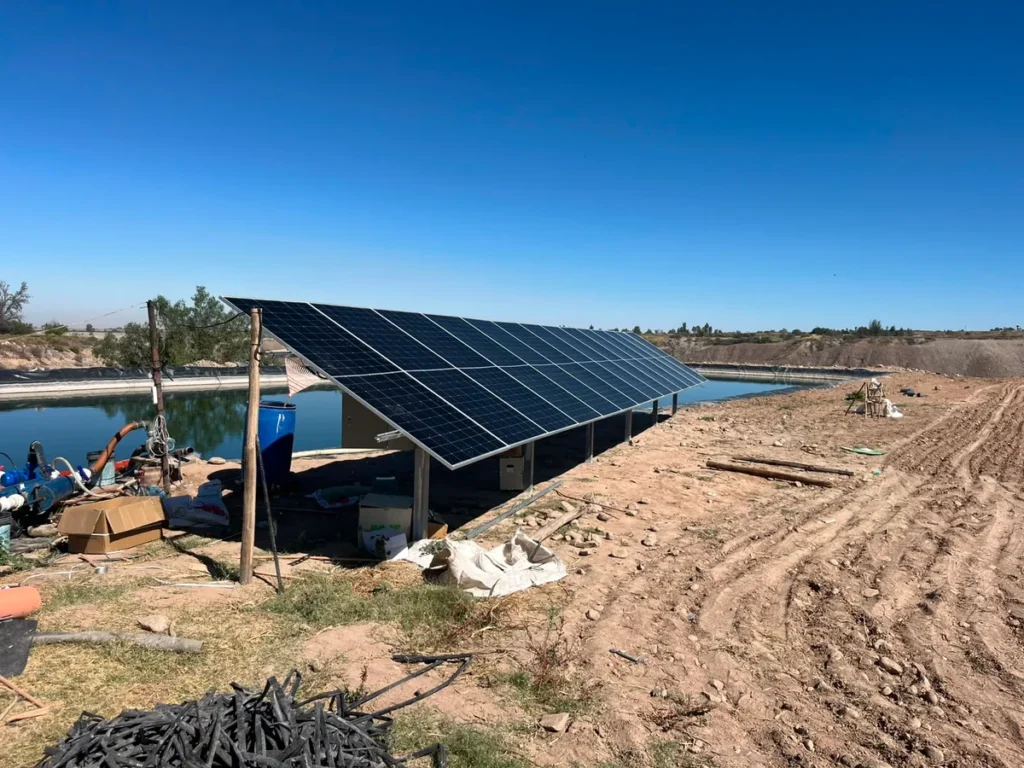
A pumping site after the conversion: the pump that stays, the array that arrives
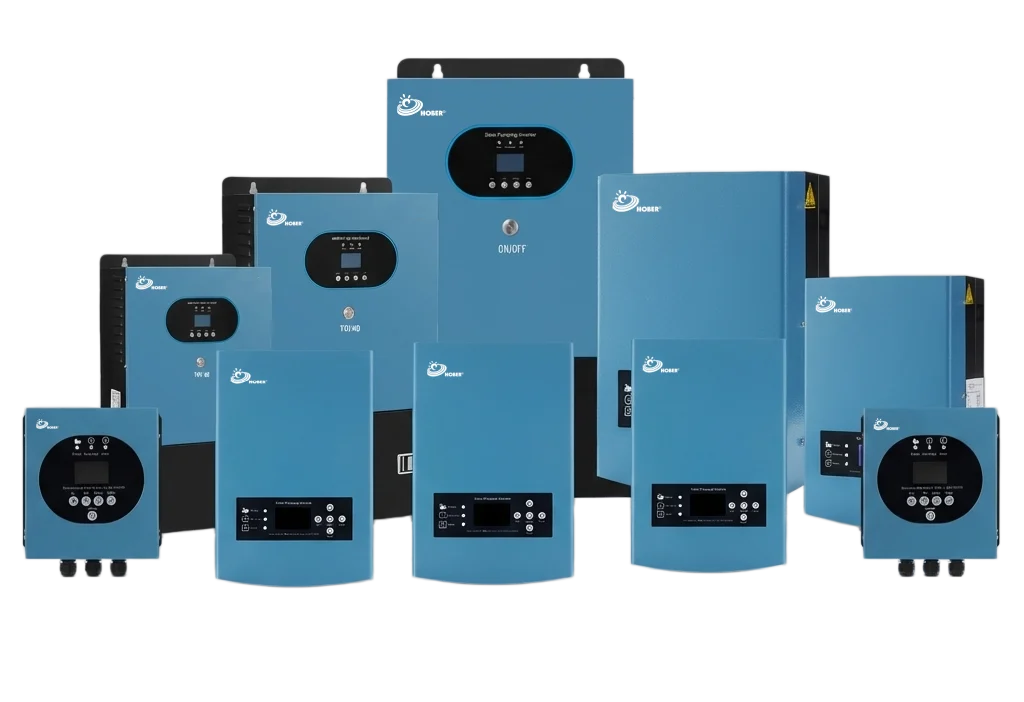
HOBER solar pump inverter — the drive a conversion adds
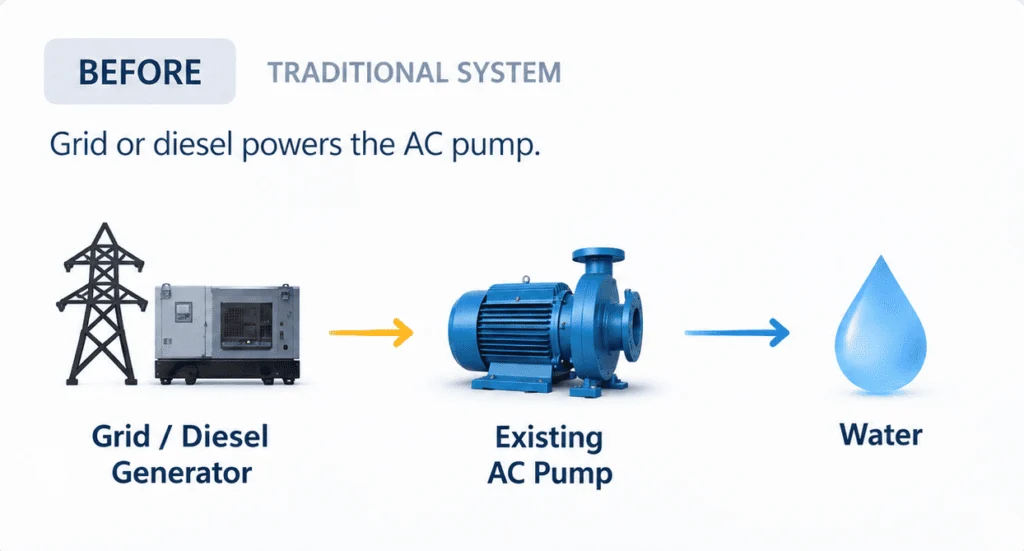
Before & after
A conversion changes what drives the pump, not the pump. What is already on site stays where it is, and the array and the inverter are added on the power side.
Before
After
How it works
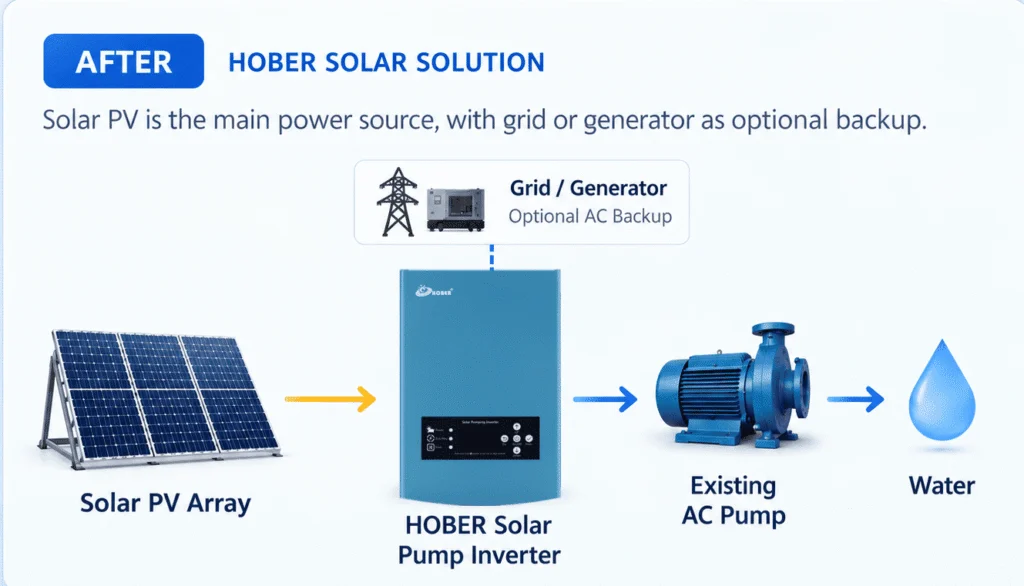
A conversion adds two things — the array and the inverter — and keeps the third, the pump that is already installed.
How it works: the PV array feeds the HOBER solar pump inverter, which drives the AC pump that is already installed. The pump stays where it is. The arrows show the energy path, not a wiring diagram.
Compatible AC pumps
A conversion is applied to the pump a site already runs, so the motor is where the check starts. Deep-well, surface, booster and drainage pumps are the four families it is bought for.
Submersible pumps that lift groundwater from a borehole or a deep well. The pump stays down the hole on its rising main, and the drive and the array are added at the well head.
Deep-well solar pumping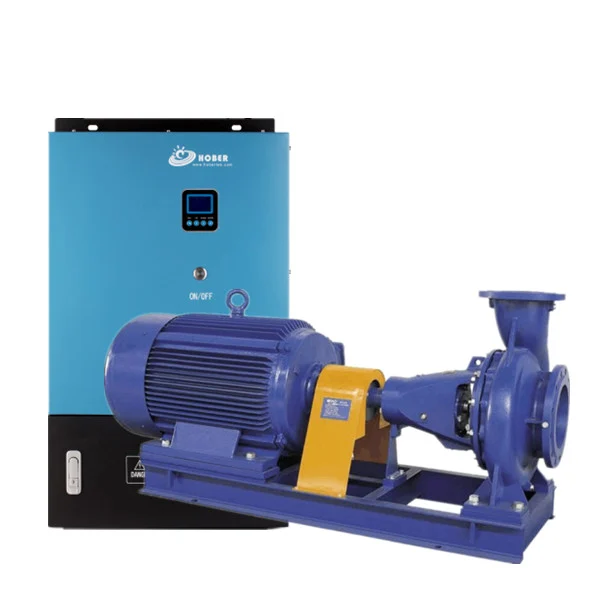
Pumps that draw from a river, a canal or a tank and stand above the water on their own suction line. The drive is applied to the motor that is already on the bedplate.
River & surface water pumping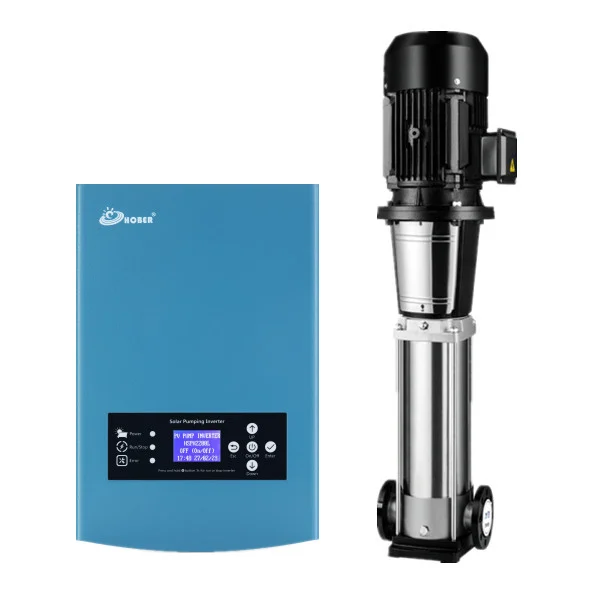
Pumps that hold pressure in a supply line or push water on to a tank, a building or a community. The pump keeps its place in the line and its pressure duty, and the array becomes the power behind it.
Booster & pressure systems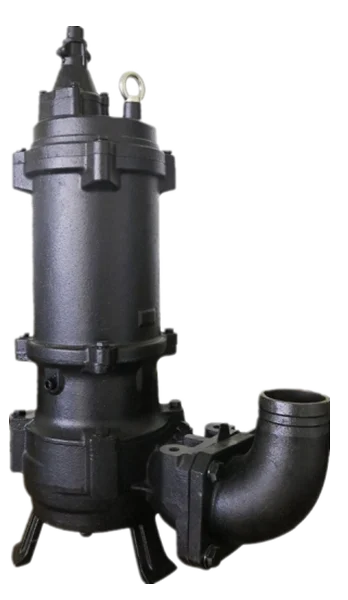
Wastewater and drainage pumps that empty a wet well or move water off a site. The pump keeps its installed position, and the inverter is matched to the motor that is already there.
Wastewater & drainageCompatibility is decided by the motor nameplate and by the conditions the pump runs under — its voltage, its phase, how it is started and what it has to deliver — not by the pump family. HOBER checks those details against the drive, so a motor that does not suit a conversion is identified before a model is named.
Match an inverter to the pump already on siteBusiness opportunity
A conversion is work for the businesses already close to the pump: the distributor who supplied it, the installer who wired the site, and the contractor who runs the pumping.
Your customers already own the pump. A conversion is a second sale to the same account — the inverter, the array and the accessories behind them — without waiting for a pump to be replaced. Send the pump data and the motor check, and the matching and the sizing come back with it.
Distributor SupportWater pumping is work for the trade that is already on site. Add a pumping application to the installations you already do: HOBER makes the motor check and the PV sizing, and answers the wiring and commissioning questions while the work is running.
Installer SupportOn a project where the pumps are already specified, a conversion is a scope change rather than a new package: the same pumps and pipework, with the array and the drive added, documented and supported from the same technical desk.
Project SupportWhy HOBER
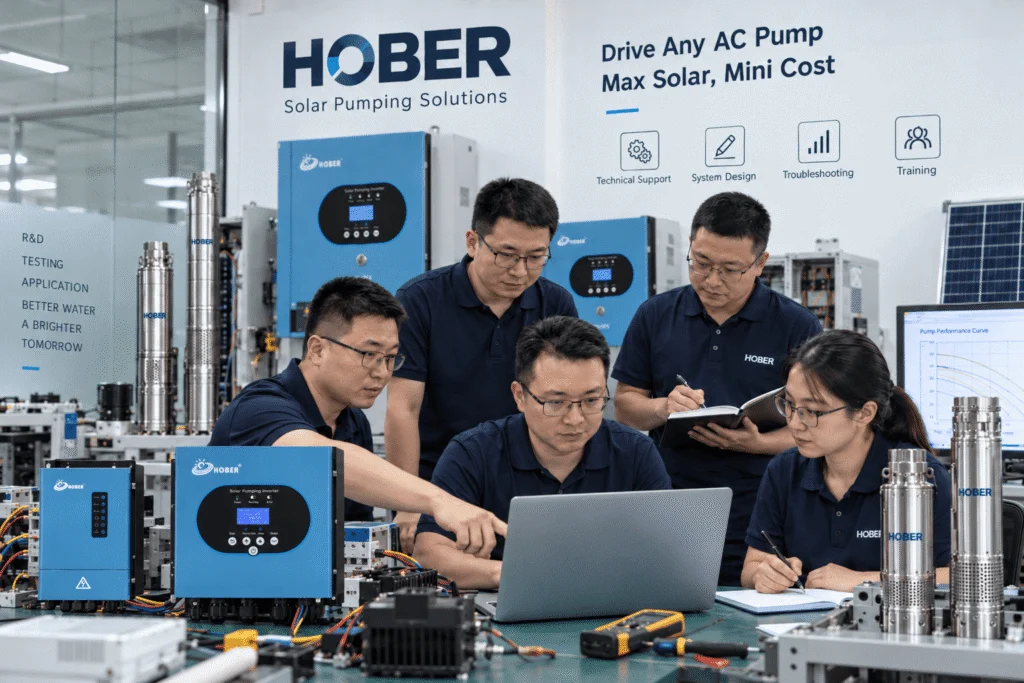
What HOBER does for a partner: the checks made before an inverter is named, the guidance during installation, and the supply behind the range.
Send the motor nameplate and HOBER checks the motor and its duty against the drive before a model is named.
The array and the drive are sized together for the duty point the pump has to meet.
Advice on the wiring, the commissioning and the parameters the drive is set to.
Describe a fault on site and HOBER answers with what to check and what to change.
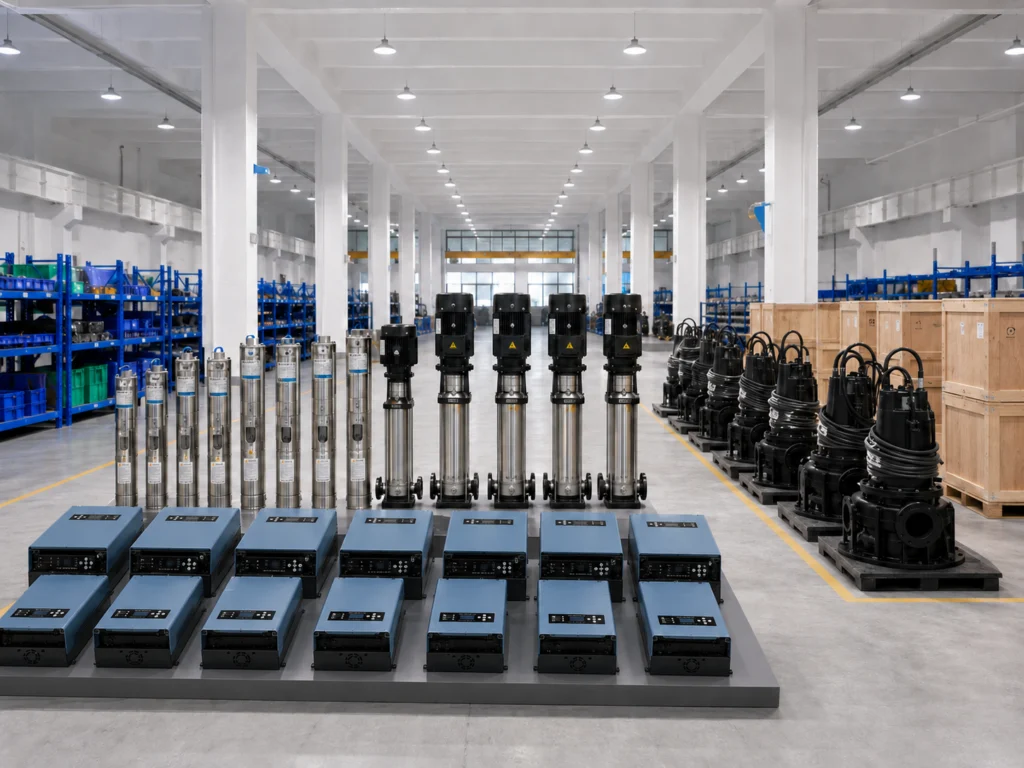
The range is supplied from the HOBER factory to the distributors who stock it.
A unit can be built under the partner’s own label and branding.
FAQ
Six questions that decide a conversion: what is checked, what stays on site and what HOBER needs from you.
There is no list of motors that can be settled in advance. Whether a solar pump inverter can drive an AC motor is decided by the motor nameplate — its power, its voltage, its phase and the way the pump is operated — and HOBER checks those details against the drive before a model is named. Two motors of the same power can behave differently on a conversion, so the nameplate is what the check is made from.
No — a conversion is bought for the pump that is already on site. The pump, its piping and its place in the line stay as they are, and the array and the solar pump inverter are added on the power side. A conversion changes where the energy comes from, not what the pump was chosen to deliver.
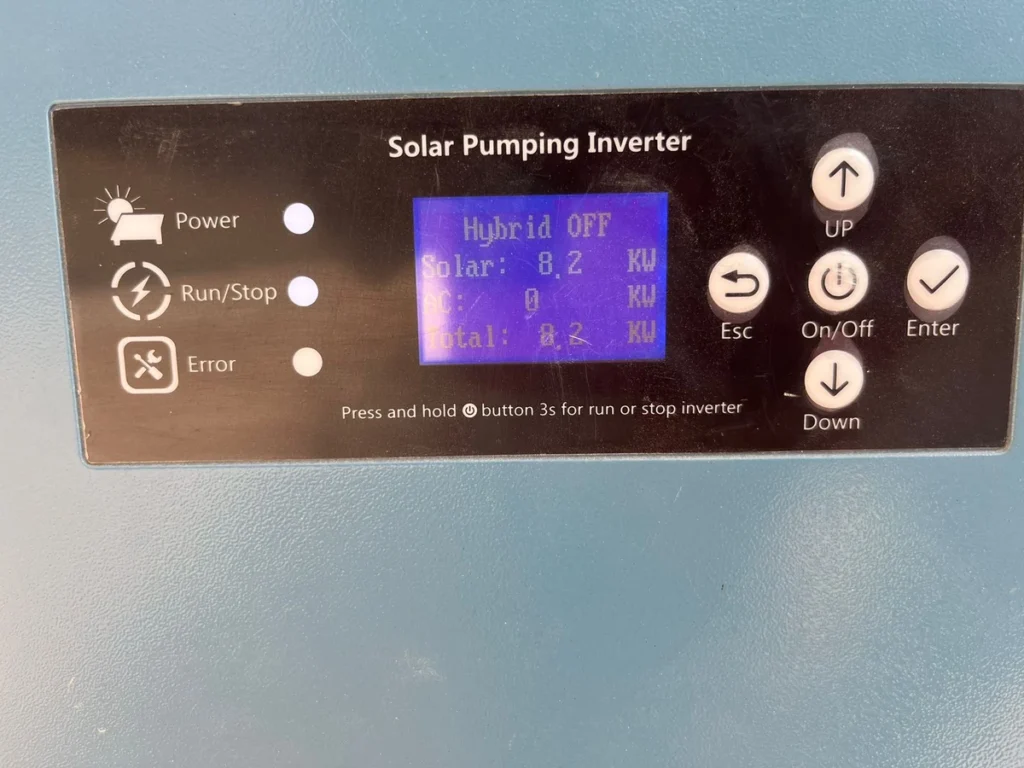
Some HOBER solar pumping inverters can take a second source as well as the array, so a pump keeps running from the grid or a generator when the sun is not enough. Hybrid support is stated model by model rather than for the range as a whole, and each model states whether it carries the input. Tell HOBER what supplies the site now and how the pump has to run, and the arrangement is confirmed with the model.
The array is sized from the pump’s duty — the flow and the head it has to meet, the hours a day it runs and the sun the site receives — together with the drive the motor needs. The array and the inverter are sized as one system rather than one after the other, because the inverter decides what the array has to deliver. Send the duty point and the site, and the sizing is worked from those.
Two things: the motor nameplate and the duty the pump has to meet. A photograph of the nameplate is the surest way to be exact, because the power, the voltage and the phase that decide the check are printed on it. Add the application the pump serves, what supplies it now and where the site is, and that is what a quotation is written from.
Wholesale supply from the HOBER factory to the businesses that stock and fit the range, with the matching, sizing and wiring support behind it. A distributor is supported in the market it sells to, and an installer or contractor can send the pump data for a site and have the technical checks made with it. A unit can also be built under a partner’s own label where that is wanted.
Conversion & wholesale inquiry
Tell us what the pump is and how it runs, or what you plan to stock. Both inquiries reach the same sales and technical team, and both are answered from the figures you send rather than from a general range list.
For pump distributors, solar installers and pumping project contractors.