
01
The market and its applications.
What the market buys for — irrigation, livestock, household supply, community water, wastewater — and which of those are already being sold there.
Distributor Support
For solar pump distributors, pump dealers, importers and wholesalers: how a range is planned for your market, what is supplied behind it, and how the after-sales is carried where you are the local seller.
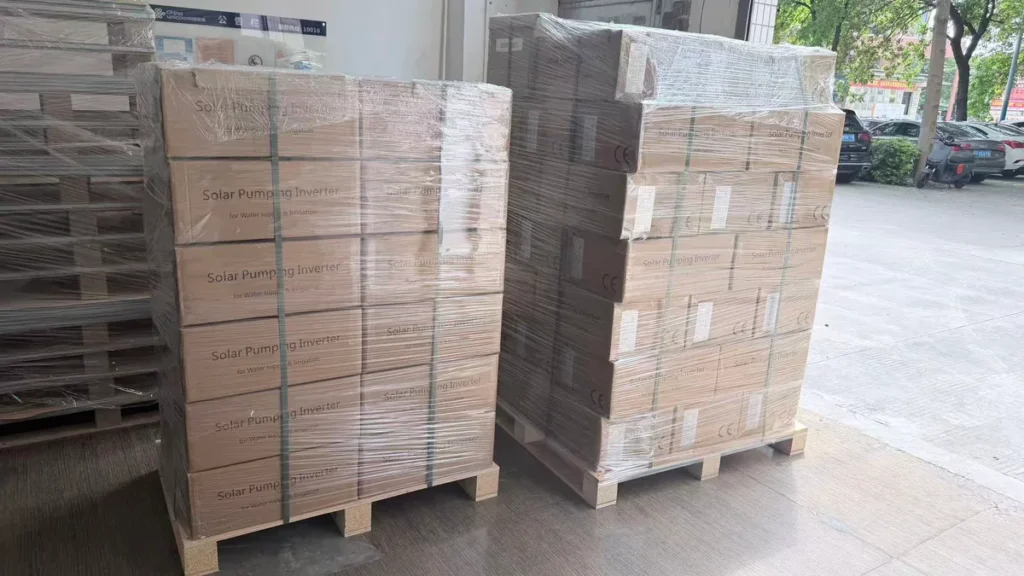
Packed for dispatch
01 / Who this is for
A distributor, a dealer, an importer and a wholesaler buy differently, but each one has to know what will sell in their market and what happens after it has been sold.
What should I sell, and how can I reduce after-sales pressure?The answer comes from the market you sell in and the applications it buys for, worked through with the HOBER sales and technical team before a range is offered.
Sell the range into a territory and carry the technical questions that come with it.
Add solar pumping to a pump business, beside the AC pumps already sold and installed.
Bring the range into a market and need the material and the answers that go with it.
Hold stock and supply the dealers and installers who buy from you.
02 / How a product range plan is built
Product range planning is the work of matching a range to the market that will buy it, rather than sending a full list out to be narrowed down later.
01
What the market buys for — irrigation, livestock, household supply, community water, wastewater — and which of those are already being sold there.
02
The pump sizes and duty points those applications are bought at, so the range is built around what is ordered rather than around everything that can be made.
03
The pump and inverter lines that cover those points, the accessories behind them, and where the range stops — agreed as one list instead of line by line.
04
What is held locally, what is ordered against a project, and the spare parts that have to be reachable where the equipment is sold.
Each step settles something the next one depends on, so a range plan is agreed in this order rather than as a price list.
03 / What the support covers
Support is part of what is supplied with a range: the selection, the quotation, the training and the material your market needs, and the after-sales behind the equipment.
Pump, inverter and the accessories around them, selected for the duty and the site the system goes into. Where a requirement falls outside the range, that is said before an offer is made.
Product configuration, system configuration, BOQ and quotation, worked through with you for the project or the order in front of you.
For the sales team and the technical team: selection, installation, parameter setting and fault handling, so the first questions are answered in your own market.
Catalogue, datasheet, product images, videos and application cases, in the form your market presents the range in.
Remote technical support, fault diagnosis and spare parts, so a problem on site is worked through with the people who sold and installed the system.
04 / Sales material and OEM
A range is easier to sell when the material behind it is ready. These are the pieces that go with it.
OEM and private-label supply is offered by HOBER and is discussed with the order, so what is supplied and how it is labelled are agreed with you.
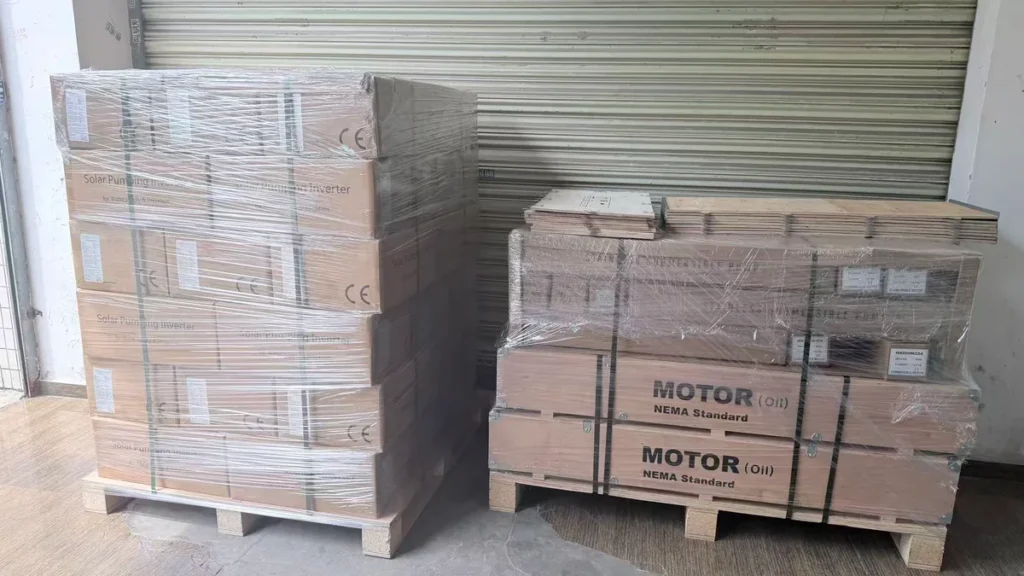
Packed for dispatch once the supply is agreed
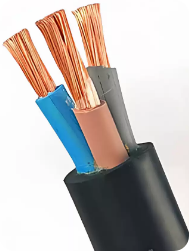
The answer starts from the equipment that was supplied
05 / Carrying the after-sales
A distributor carries the customer relationship in their own market. The after-sales behind it is worked through remotely, from the details of the installation rather than from a description of the fault.
Fault diagnosis runs on the same details and spare parts support follows it: the part is identified against the equipment that was supplied and the installation it sits in, and we say what can be checked locally first.
06 / Questions
Yes. Send the applications your market buys for and the duty points you are asked for most often. The range is put together with you against that, and we say where a requirement is not covered.
You keep the customer relationship and the first line of support in your market. When a question goes past that, it comes to us with the model, the site details and what the system does now, and it is worked through with your technical team.
Yes. Training covers selection, installation, parameter setting and fault handling, and it is arranged for the sales team and the technical team together, so the answers stay in your market.
Spare parts are identified against the equipment that was supplied and the installation it sits in. Send the model, the nameplate details and what has failed, and we say what the part is and how it is supplied.
Next step
Share the applications your market buys for and the way you sell today. Our sales team comes back with a range plan, the support behind it and the material that goes with the supply.